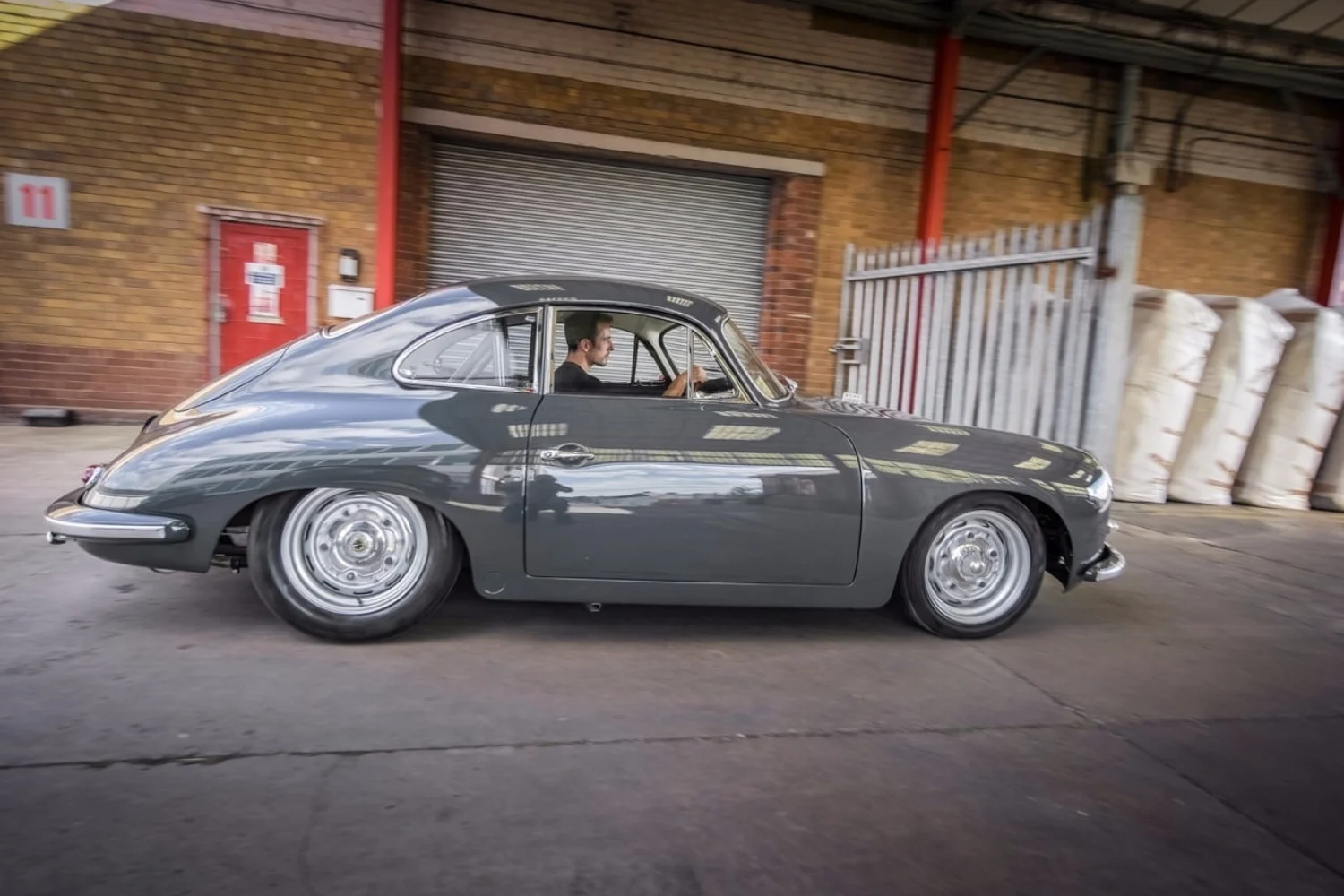
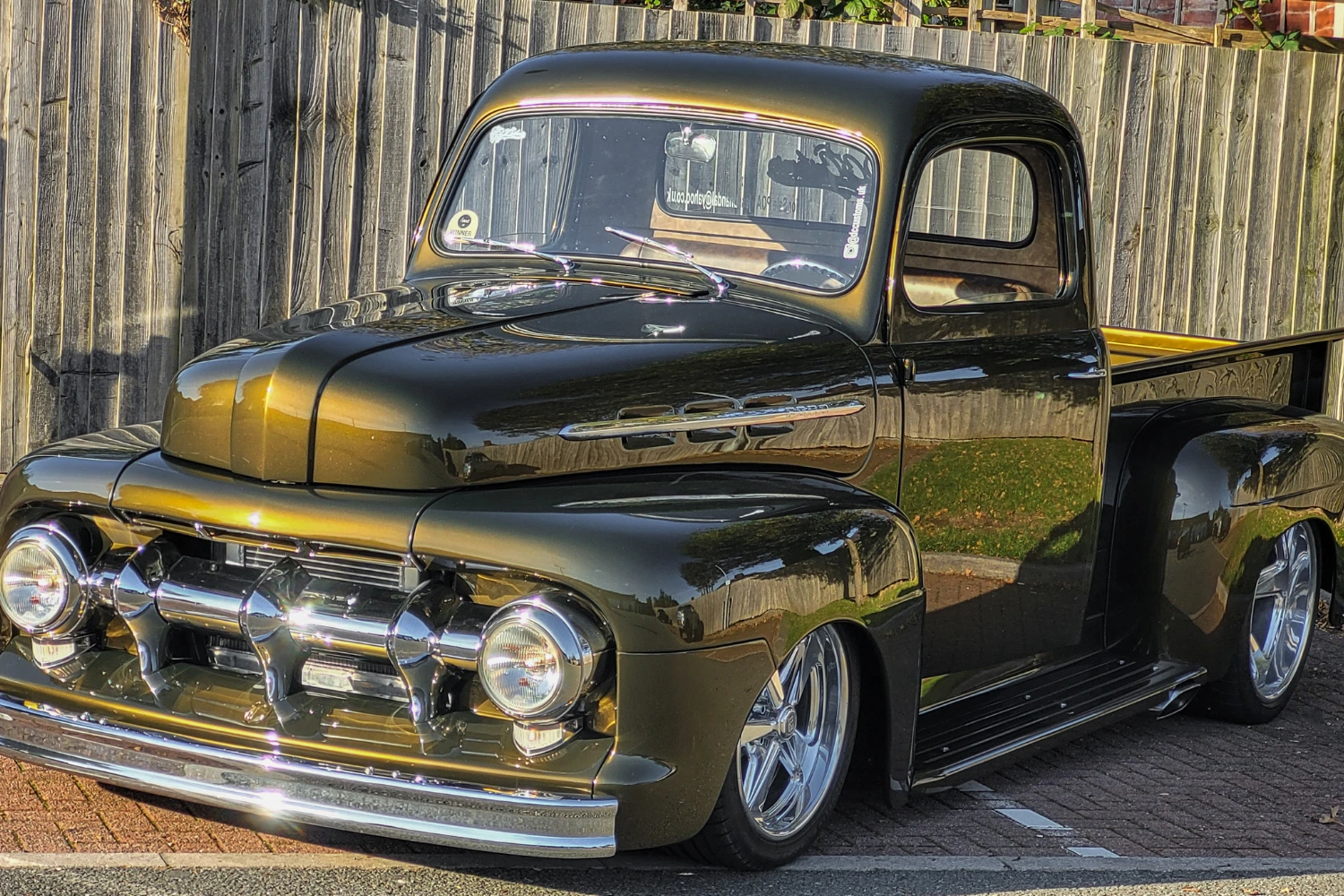
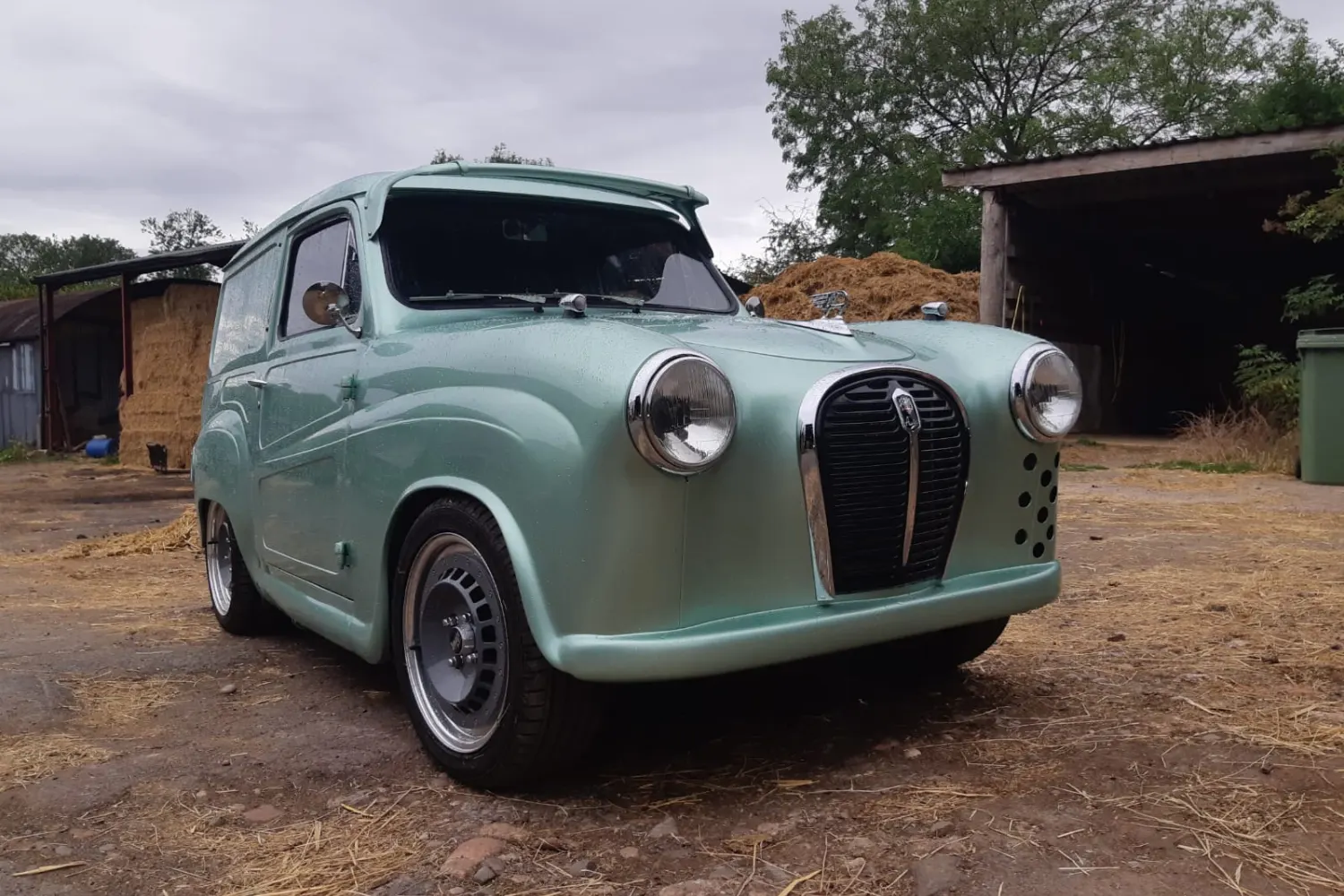
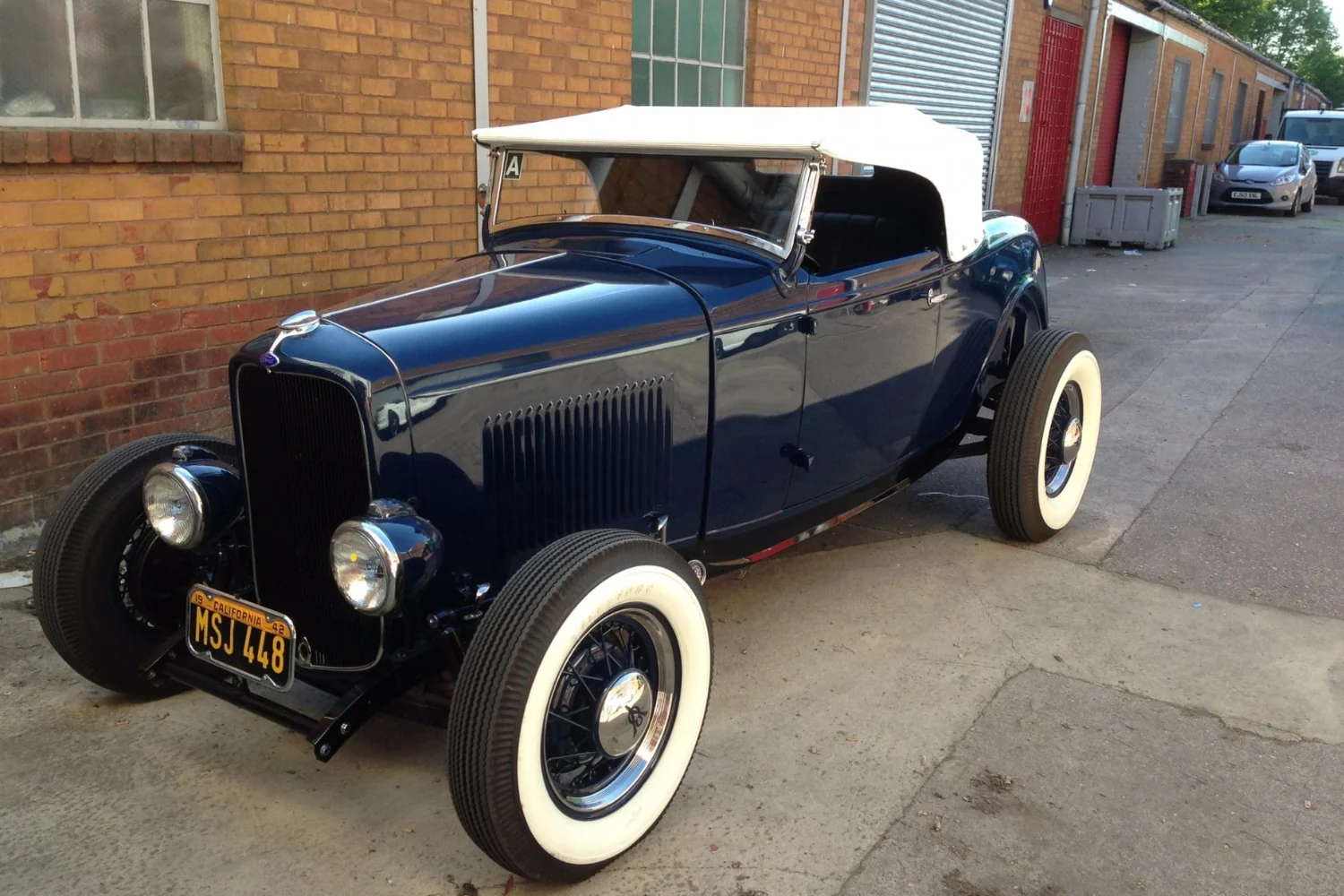
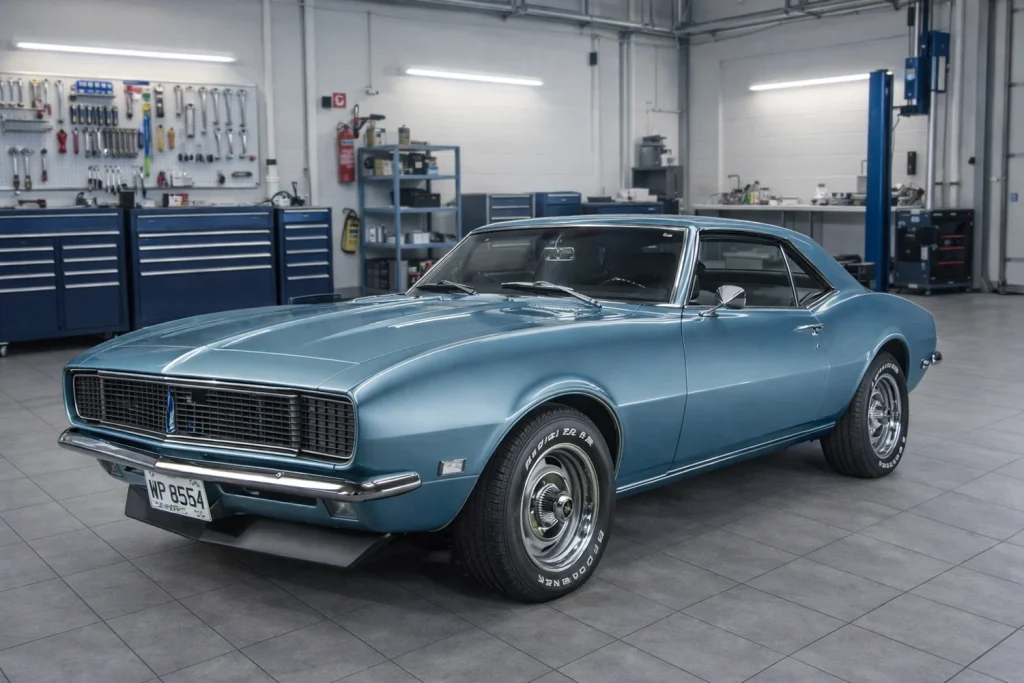
Restoring a classic car is about far more than repairing a few faults and applying a fresh coat of paint. A full restoration can involve taking a vehicle back to its foundations, carefully rebuilding each area and bringing together traditional craftsmanship, specialist knowledge and modern restoration techniques.
Every Classic Car Restorations is different, and the work required will depend on its age, condition, history and the owner’s ambitions for the finished vehicle. Whether the goal is to create a show-quality car, restore a treasured family vehicle or simply return a much-loved classic to the road, understanding the restoration process can help you know what to expect.
At DC Classics, we provide professional classic car restoration services, working with owners to restore and preserve vehicles with care and attention to detail.
Initial Assessment and Restoration Planning
Every successful classic car restoration should begin with a thorough assessment of the vehicle. Before any work starts, the car needs to be carefully inspected to understand its overall condition and identify the likely extent of the restoration.
This assessment will typically consider the condition of the bodywork and chassis, any signs of rust or corrosion, previous repairs, the engine and mechanical components, electrical systems and the interior. The availability of original or replacement parts may also influence how the restoration is approached.
At this stage, it is equally important to understand what the owner wants to achieve. Some owners want to retain as much originality as possible, while others are looking for a complete transformation or a vehicle finished to show standard.
Establishing these goals at the beginning helps create a clear restoration plan and ensures that the work is focused on achieving the right result for both the vehicle and its owner.
Stripping Down the Vehicle
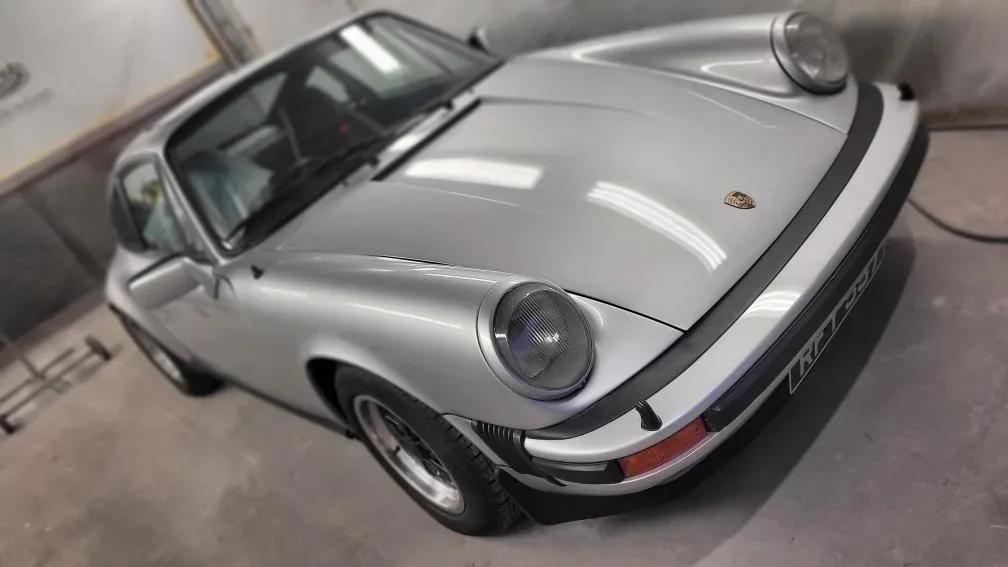
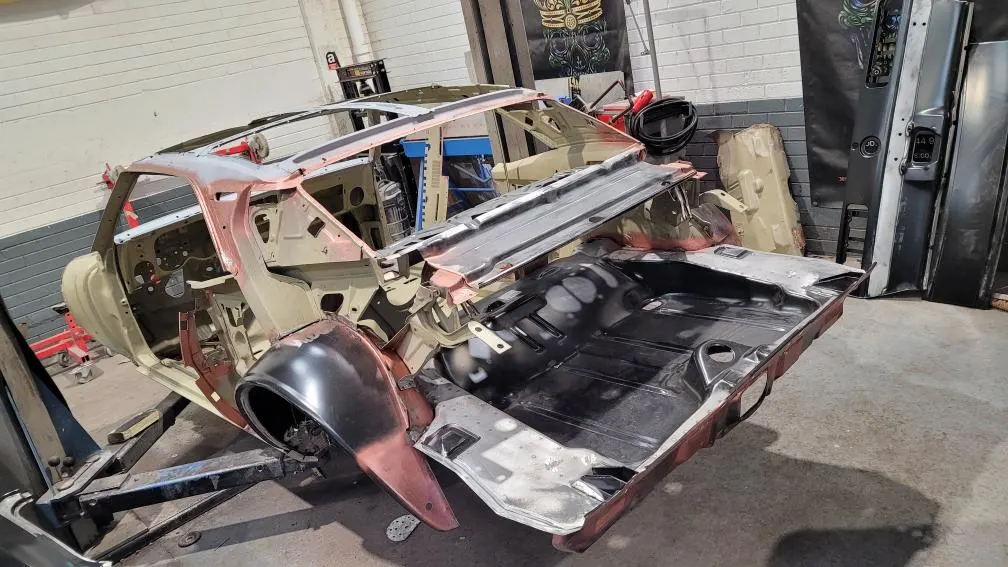
For a full classic car restoration, the vehicle will typically need to be carefully dismantled so that every area can be properly inspected and assessed.
Components are removed systematically, which may include the interior, trim, glass, mechanical components, wiring and body panels. Each part can then be examined to determine whether it should be restored, repaired or replaced.
This stage can often reveal problems that were impossible to identify during the initial inspection. Older vehicles can hide significant corrosion beneath paint, filler, carpets and trim, while previous repairs may only become apparent once the car has been stripped back.
A careful and methodical strip-down provides a clear picture of the vehicle’s true condition and creates the foundations for the restoration work that follows.
Bodywork and Structural Repairs
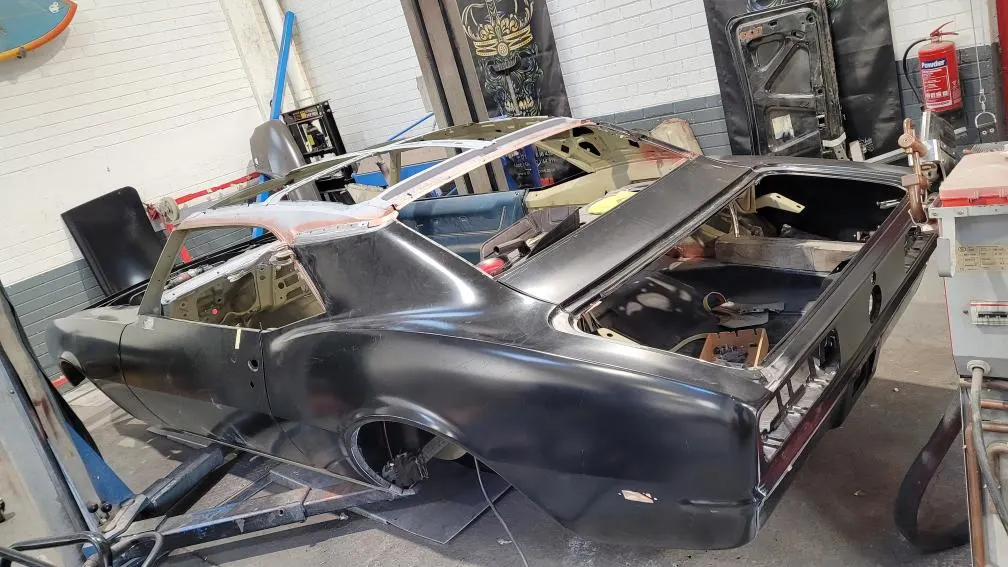
Bodywork is often one of the most significant stages of a full classic car restoration. Decades of exposure to moisture and the elements can result in corrosion, while accident damage and previous repairs can create additional challenges.
Once the vehicle has been stripped, damaged areas can be properly assessed and repaired. This may involve removing rust and corrosion, repairing or replacing damaged panels, fabricating unavailable components and correcting poor-quality repairs carried out earlier in the car’s life.
Wherever possible, original components can be retained and restored. However, severely damaged or corroded sections may need to be replaced or carefully recreated.
Skilled fabrication and traditional bodywork techniques are particularly important at this stage. The quality of the work carried out beneath the paintwork will have a major impact on both the appearance and longevity of the finished restoration.
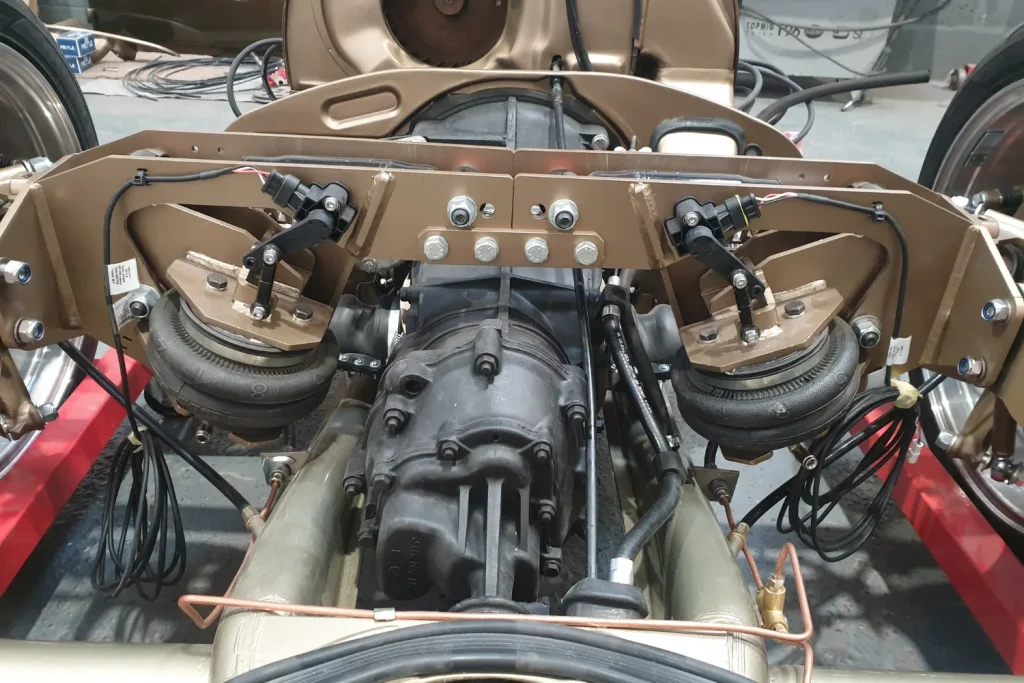
Engine and Mechanical Restoration
A fully restored classic car needs to perform as well as it looks. Depending on the age and condition of the vehicle, the mechanical work required can range from routine servicing and repairs through to a complete engine and gearbox rebuild.
The engine, brakes, suspension, steering, cooling and fuel systems can all be carefully inspected to identify worn or damaged components. Wherever possible, original parts may be repaired or refurbished, with replacement components used where necessary.
For many owners, maintaining the vehicle’s original mechanical specification is an important part of preserving its character and authenticity. Others may choose sympathetic upgrades that improve reliability, safety or everyday usability without taking away from the classic driving experience.
The right approach will depend on the individual vehicle, its history and how the owner intends to enjoy it once the restoration is complete.
Preparing the Body for Paint
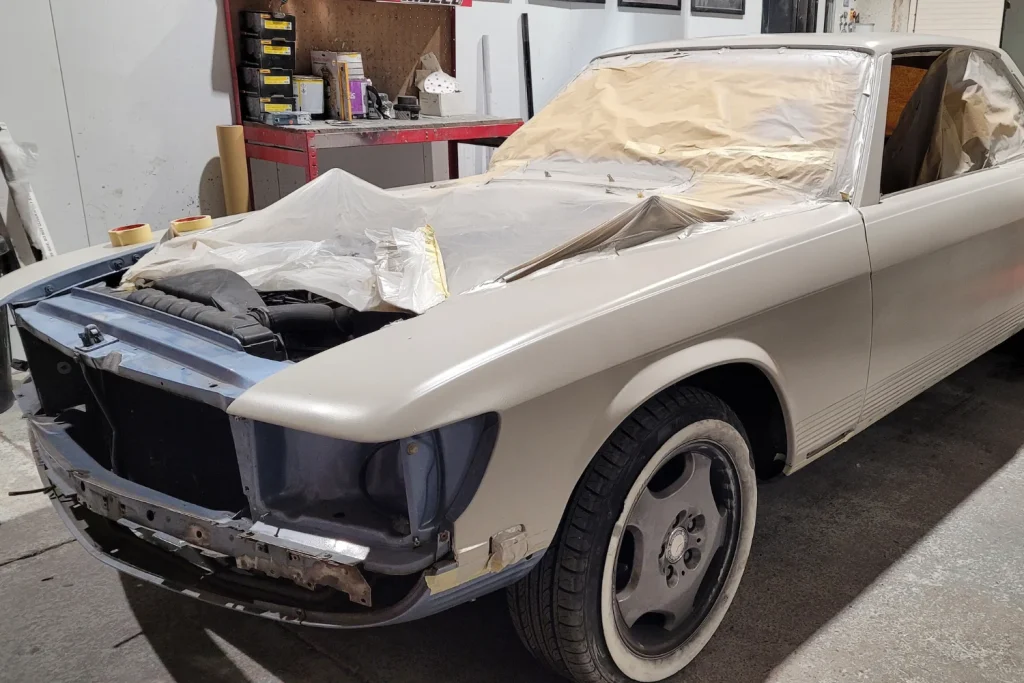
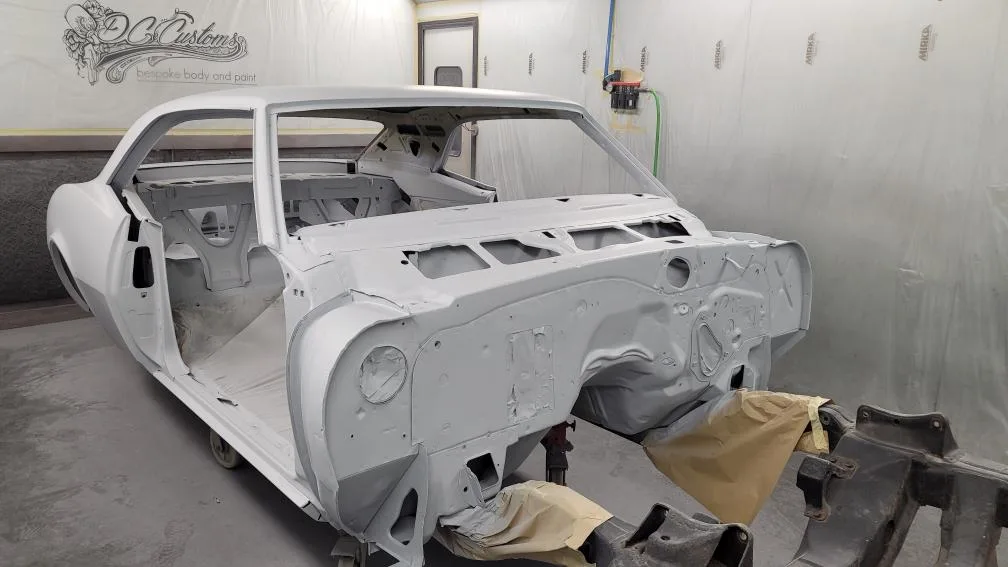
Achieving an exceptional paint finish starts long before the final colour is applied. Careful preparation is essential to ensure the restored bodywork provides the best possible foundation for the finished paintwork.
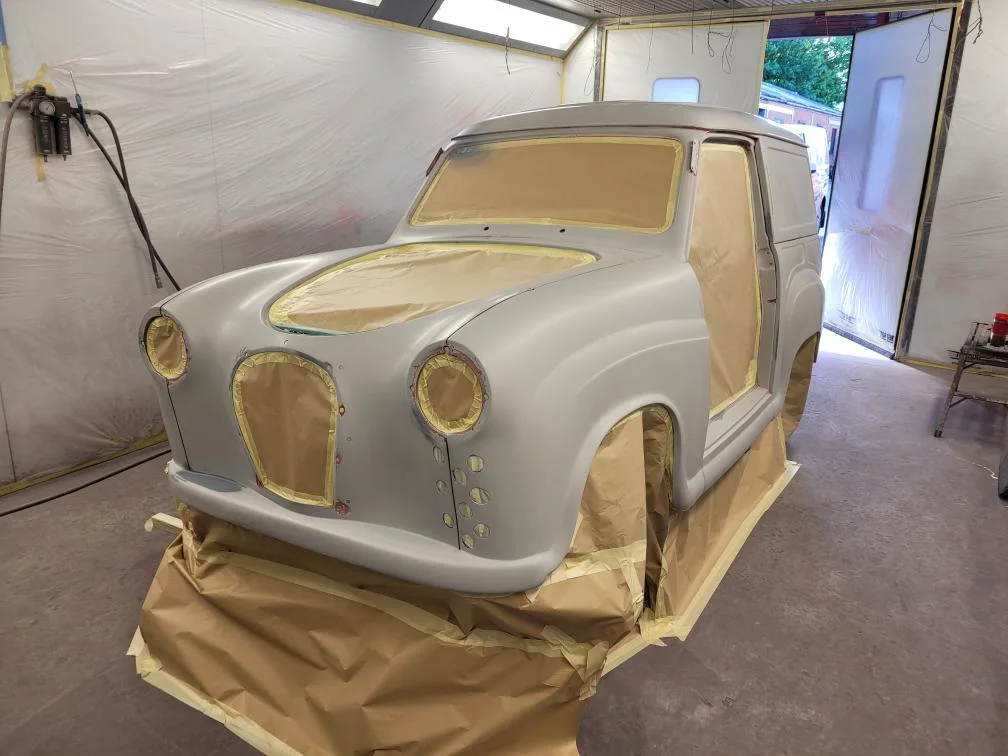
Once structural repairs and fabrication are complete, the body can be carefully prepared. This may involve removing old paint and coatings, treating exposed metal, correcting imperfections and ensuring panels are properly aligned with consistent gaps.
Primers and protective coatings can then be applied before the surfaces are prepared for the final paint finish. Each stage requires patience and close attention to detail, as even small imperfections can become noticeable once the final colour is applied.
Taking the time to prepare the body correctly is an essential part of a high-quality classic car restoration and can make a significant difference to both the appearance and durability of the finished vehicle.
Painting and Finishing
The paintwork is one of the first things anyone notices about a restored classic car, making this one of the most important stages of the restoration process.
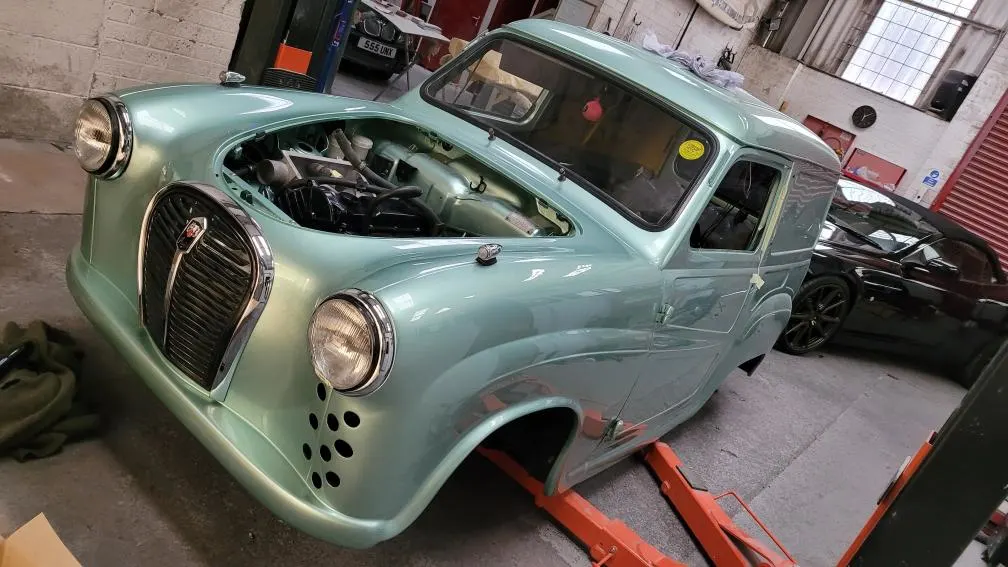
Depending on the objectives of the project, the vehicle may be returned to its original factory colour or refinished in a colour chosen by the owner. For historically significant or particularly valuable cars, maintaining the correct period colour and finish can be an important part of preserving the vehicle’s authenticity.
The quality of the final result depends heavily on the preparation completed beforehand. Once the paint has been carefully applied, the finish can be refined and polished to achieve the required standard.
From an authentic period appearance to a flawless show-quality finish, the aim is to create paintwork that complements the character of the vehicle and completes the transformation of the restored body.
Interior Restoration
The interior plays a major role in the character and overall experience of a classic car. Over the years, seats, carpets, headlining, dashboards and interior trim can all show significant signs of age and wear.
A full interior restoration may include refurbishing or retrimming the seats, replacing carpets and headlining, restoring dashboards and door cards, and repairing original instruments, switches and controls.
For some vehicles, maintaining originality is essential, with materials, colours and finishes carefully selected to match the original specification. Other projects may allow for sympathetic improvements that provide additional comfort while retaining the classic appearance of the car.
The aim is to create an interior that feels authentic to the vehicle while achieving a quality of finish that complements the work completed throughout the rest of the restoration.
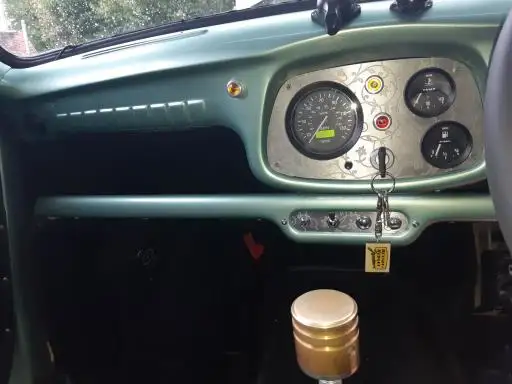
Electrical Systems
Electrical problems are common in older vehicles, with ageing wiring, corroded connections and previous modifications all potentially affecting reliability and safety.
As part of a full classic car restoration, the electrical system can be carefully inspected and tested. This may involve repairing or replacing wiring, restoring lighting systems, checking instruments and ensuring that switches and other electrical components operate correctly.
Where upgrades are required, these can be considered carefully to improve reliability and usability without unnecessarily changing the character or appearance of the vehicle.
A properly restored electrical system helps ensure the finished classic is not only visually impressive but also dependable and enjoyable to use.
Reassembly
Once the individual stages of the restoration have been completed, the vehicle can begin to come back together. This is often one of the most rewarding stages of a full classic car restoration, as months of detailed work start to take shape as a complete vehicle.
Restored and replacement components are carefully refitted, including the mechanical systems, glass, chrome, exterior trim and interior. Every component needs to be installed correctly while protecting newly finished paintwork and restored parts.
Attention to detail is particularly important during reassembly. Panel alignment, trim fitment and the operation of individual components all contribute to the overall quality of the finished car.
It is at this stage that the craftsmanship and preparation carried out throughout the restoration process truly come together, transforming the collection of restored components back into a complete classic car.
Testing and Final Checks
A classic car restoration is not complete simply because the vehicle looks finished. Before the car is ready to return to the road and its owner, it should undergo thorough testing and a series of final inspections.
This can include checking the engine performance, brakes, steering, suspension and electrical systems, alongside fluid levels and any potential leaks. Panel alignment, interior equipment and the operation of individual components should also be carefully reviewed.
Road testing provides an opportunity to assess how the vehicle performs in real driving conditions and identify any final adjustments that may be required.
Once these checks have been completed and any necessary refinements made, the vehicle can be considered ready to begin the next chapter of its life.
How Long Does a Full Classic Car Restoration Take?
There is no standard timeframe for completing a full classic car restoration. Every vehicle is different, and the amount of work required will depend on its condition, the complexity of the project and the standard of finish the owner wants to achieve.
A relatively straightforward restoration may take several months, while a complex project involving extensive fabrication, mechanical rebuilding and specialist parts can take considerably longer. The availability of rare or original components can also influence the overall timescale.
Unexpected discoveries are also part of restoring older vehicles. Once a car has been dismantled, hidden corrosion, previous repairs or additional mechanical issues can sometimes become apparent.
For this reason, a quality restoration should be driven by the work required to achieve the right result rather than an unrealistic deadline. Taking the time to complete each stage properly helps ensure the finished vehicle can be enjoyed for many years to come.
Is a Full Restoration Right for Your Classic Car?
Not every classic car needs to undergo a complete restoration. In some cases, preserving the vehicle’s originality and carrying out sympathetic repairs may be the better approach. In others, extensive corrosion, mechanical problems or years of deterioration can mean that a full restoration is the best way to return the car to its former condition.
The decision should take into account the vehicle’s overall condition, rarity, originality and value, as well as its personal significance to the owner. How you plan to use the car once the work is complete should also influence the approach taken.
Before committing to a major project, a professional assessment can help you understand the condition of your vehicle and the options available. This allows you to make an informed decision about the level of restoration that is right for both you and your classic car.
Professional Classic Car Restoration at DC Classics
A full classic car restoration is a significant undertaking, requiring specialist skills, careful planning and close attention to detail throughout every stage of the project.
At DC Classics, we approach every vehicle individually. From the initial assessment and strip-down through to bodywork, mechanical restoration, paintwork, reassembly and final testing, our focus is on delivering quality workmanship and a finished vehicle that reflects the owner’s ambitions.
Whether your classic requires targeted restoration work or a complete rebuild, our team can assess the vehicle, discuss what you would like to achieve and recommend the right approach for your project.
Thinking About Restoring Your Classic Car?
If you are considering a classic car restoration, speak to the DC Classics team about your vehicle and your plans. We can help you understand the work involved and discuss the next steps towards bringing your classic back to its best.